
Top Tips for Finding Your Dream Career on Trade Me Jobs. Finding the right job can be a big task for anyone. Trade Me Jobs is a major platform for finding work in New Zealand. It connects people looking for jobs with companies that are hiring. This is true for New Zealand residents and for people abroad, like in Kursha. This guide gives you practical advice for using the site. It offers top tips for finding your dream career on Trade Me Jobs. The goal is to help you search better and find a role you truly enjoy. Following these steps can make your job hunt more successful.
Top Tips for Finding Your Dream Career on Trade Me Jobs
The first step is to learn how to search the website well. A good search shows you the jobs that fit you best. You need a clear plan before you start looking for work. This helps you save time and find better opportunities.

Know What You Want
Think about your ideal job before you begin your search. Write down what matters most to you in a career. Consider the industry you want to work in and the type of work you like. This clarity will guide your entire job search process. Decide on the kind of company you want to join. Some people prefer large corporations while others like small startups. Think about the work culture and the team you want to be a part of. Your happiness at work often depends on these factors. Make a list of your skills and past experiences. This helps you understand what roles you are qualified for. Also, think about salary and location to narrow down your options. Being honest about your needs makes finding the right job easier.
Use the Right Keywords
Keywords are the words you type into the search bar. Using the right ones is very important for good results. Be specific with your search terms to find relevant job listings. For example, search “graphic designer” instead of just “design.” Think of different names for the job you want. An employer might call a “writer” a “content creator”. Using several related terms will show you more job ads. This expands your search and gives you more options to review.
Use words specific to the industry you are targeting. Every field has its own language and job titles. Including these words in your search helps you find specialized roles. It shows employers you understand their industry. Also, use the location filters on the website. You can look for jobs in a specific city or region. If you can work from anywhere, look for “remote” or “work from home” roles. This flexibility can open up many more job possibilities.
Use Search Filters

Trade Me Jobs has filters to help you sort through listings. You can filter jobs by type, such as full-time or part-time. This helps you see only the roles that match your availability. It makes the search results much more manageable. You can also filter by the date the job was posted. This allows you to see the newest openings first. Applying to new ads quickly can give you an advantage. It shows the employer that you are actively looking.
Salary filters can also be very helpful. If you have a salary goal, you can set a range. The site will then only show you jobs that meet your pay requirements. This stops you from wasting time on roles that do not pay enough. Do not forget to look at the categories on the side of the page. These can help you narrow your search even more. Spend some time trying different filters to see what works best. This practice will make you a much better job searcher.
Set Up Job Alerts
You can save your searches and create alerts. The website will email you when new jobs match your criteria. This is a great way to stay updated on new openings. You will not have to check the site manually every day. You can choose how often you get these email alerts. You can set them for daily or weekly notifications. This feature keeps you informed without overwhelming your inbox. It is a simple tool that makes your job hunt much more efficient. Job alerts are very useful if you are not in a hurry. You can wait for the perfect opportunity to appear. It ensures you do not miss a great role because you forgot to check. This automated system works for you in the background.
Read more: Search smart: New Zealand’s ultimate job hunting guide
Building an Application That Gets Noticed
After finding a job you like, your next task is to apply. Your application is your first impression on a potential employer. A strong CV and cover letter can make you stand out. Take the time to make each application as good as possible.
Create a Strong CV
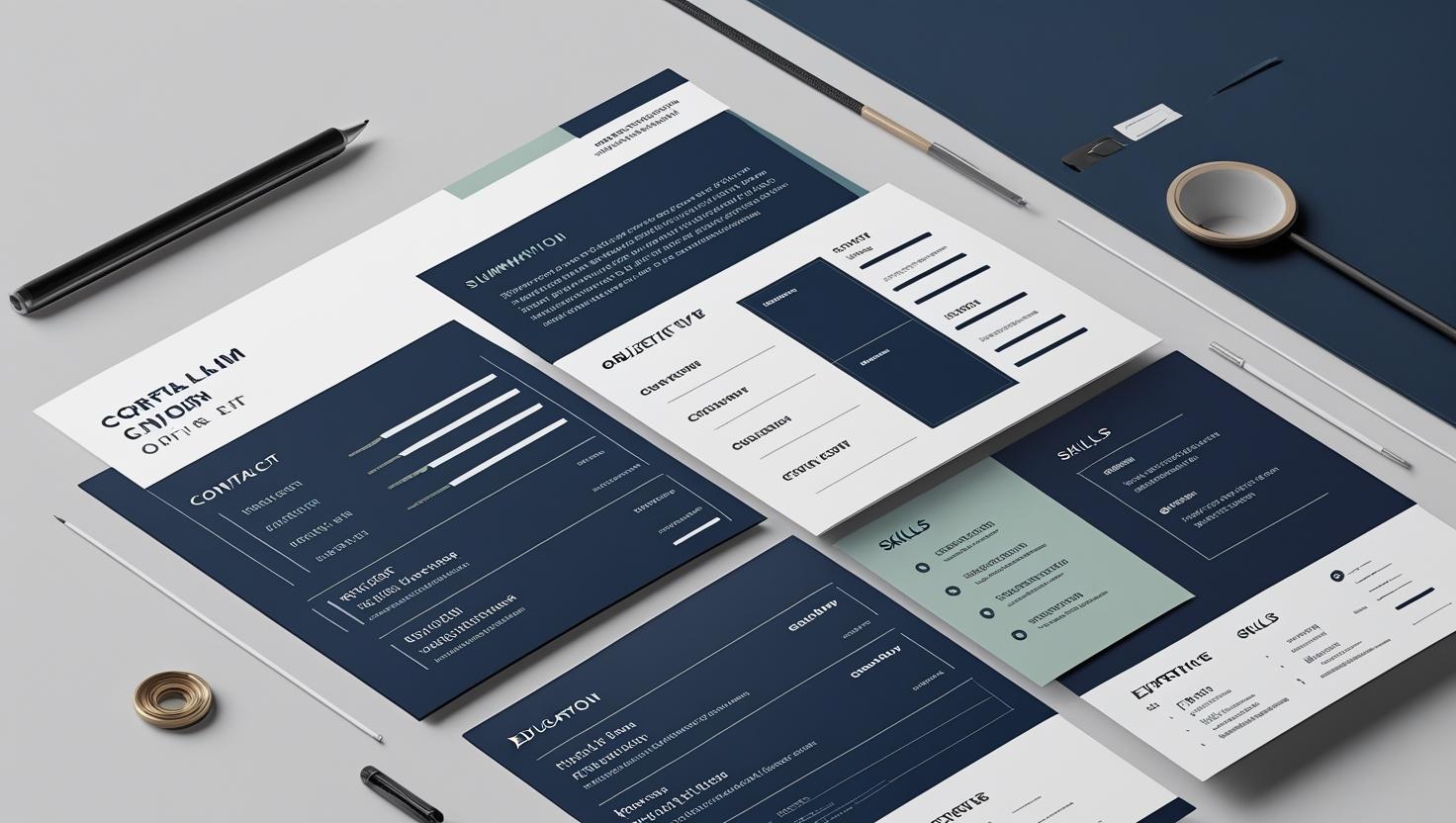
Your CV, or resume, lists your work history and skills. It should be clean, professional, and easy to read. Start with your contact information at the very top. Include your name, phone number, and email address. Next, write a short professional summary. This is a few sentences about your skills and career goals. It should quickly tell the employer who you are. Make this summary specific to the job you are applying for. List your work experience from most recent to oldest. For each job, describe your main duties and accomplishments. Use numbers to show your impact whenever you can. For instance, say you “increased sales by 10%” instead of just “sold products”. Finally, include your education and a list of your relevant skills. You can also add a section for references or state they are available. Double-check everything for spelling and grammar mistakes. A CV with errors can look unprofessional.
Write a Targeted Cover Letter
A cover letter introduces you and your CV. It should not just repeat what is in your resume. Use it to explain why you are a great fit for the job. Always write a new cover letter for each job you apply for. Start your letter by addressing the hiring manager by name if possible. State the job you are applying for and where you saw it. Then, explain why you are interested in the role and the company. Show that you have done some research. In the main part of the letter, connect your skills to the job requirements. Give specific examples of how your experience matches what they need. This is your chance to tell a story about your professional life. Make it interesting and relevant to the reader. End the letter by expressing your excitement for the opportunity. Say you look forward to hearing from them about an interview. Thank them for their time and consideration. A polite and professional closing leaves a good final impression.
Proofread Everything
Mistakes in your application can cost you an interview. Read through your CV and cover letter several times. Look for any spelling errors or grammatical mistakes. A clean document shows you are careful and detail-oriented. It can be helpful to have someone else read your application. A fresh pair of eyes can often spot mistakes you missed. Ask a friend or family member to look it over for you. Their feedback can be very valuable. You can also try reading your application out loud. This can help you catch awkward phrasing or sentences that do not make sense. The goal is to make your documents as polished as possible. It shows you take the application process seriously.
Read more: Best Wells Fargo Cash Back Credit Cards in 2025
Making Your Profile and Presence Work for You
Your online presence can support your job applications. Employers often look up candidates online. What they find can influence their decision to interview you. A professional online image helps your job search.
Your Trade Me Profile
Your profile on Trade Me Jobs should be complete and professional. Make sure your name and contact details are correct. If there is a section for a summary, write a brief professional bio. This gives employers a quick look at who you are. A professional photo can also be a good addition. Choose a clear headshot where you look friendly and capable. Avoid casual pictures or selfies. Your profile is part of your professional brand. Keep your profile information consistent with your CV. Any differences could confuse a hiring manager. A consistent and professional profile adds to your credibility. It is a small but important part of your job search strategy.
Your LinkedIn Profile
Many employers use LinkedIn to find and vet candidates. A strong LinkedIn profile is a very useful tool. Make sure your profile is complete and up to date. This includes your work history, education, and skills. Use a professional headline that describes what you do. Write a summary that highlights your key strengths and career goals. Ask for recommendations from past colleagues or managers. These act as positive reviews of your work. Connect with people in your industry, especially in New Zealand. Join groups related to your profession and participate in discussions. An active and professional LinkedIn profile shows you are engaged in your field. It can lead to job opportunities you would not find otherwise.
Showcasing Your Work
If you work in a creative field, a portfolio is a must. This could be a website with examples of your work. For writers, designers, or developers, a portfolio is proof of your skills. It lets employers see what you can do. Include a link to your portfolio on your CV and LinkedIn profile. Make sure the portfolio itself is professional and easy to view. Choose your best work to display. Quality is more important than quantity. Even if you are not in a creative field, you can show your work. You might have presentations, reports, or projects you can share. Just be sure not to share any confidential company information. A portfolio of your work can set you apart from other candidates.
Connecting with People and Companies
Job searching is not just about sending applications. It is also about making connections with people. These connections can provide information, advice, and job leads. Building a professional network is a key part of finding a great career.
Research Companies
Before you apply to a company, learn about it. Visit its website and read about its mission and values. Look at their recent projects or news releases. This information helps you understand if the company is a good fit for you. Knowing about the company also helps you write a better cover letter. You can mention specific things you admire about their work. This shows the employer that you are genuinely interested. It makes your application more personal and effective. This research will also prepare you for a potential interview. You can ask smarter questions and have a more meaningful conversation. Employers are impressed by candidates who have done their homework. It shows you are proactive and serious about the role.
Network Online
Use professional networking sites to connect with people. Find individuals who work at companies you are interested in. You can also find people who have the job title you want. These connections can be very helpful. When you send a connection request, include a personal message. Explain why you want to connect with them. Maybe you admire their work or are interested in their company. A personal note makes you more likely to get a positive response. Do not ask for a job in your first message. Focus on building a professional relationship first. You can ask for advice or information about their industry. Over time, these connections can lead to job referrals.
Try Informational Interviews
An informational interview is a conversation with someone in your field. It is not a job interview. Instead, it is a chance for you to ask for career advice. People are often happy to share their experiences. You can ask about their career path and what their job is like. You can also ask for tips on getting into the field. These conversations give you valuable inside information. They can help you decide if a certain career is right for you. These talks also expand your professional network. The person you speak with might know of job openings. They might even recommend you for a role in the future. It is a low-pressure way to learn and make connections.
Preparing for and Succeeding in Interviews
Getting an interview invitation is a big step forward. Now you need to prepare to do your best. Good preparation can reduce your nerves and help you shine. It shows the employer you are a serious candidate.
Prepare Your Answers
Think about common interview questions and practice your answers. Questions like “Tell me about yourself” and “What are your weaknesses?” are very frequent. Having prepared answers helps you respond confidently. You will not be caught off guard. Prepare examples from your past work experiences. When they ask about a skill, give a specific example of when you used it. Use the STAR method: Situation, Task, Action, Result. This makes your answers clear and impactful. Also, think about your salary expectations. Research the average salary for the role in New Zealand. Be ready to give a realistic range if they ask. Being prepared for this question shows you are well-informed.
Prepare Your Questions
An interview is a two-way conversation. You should also ask questions to see if the company is right for you. Prepare a list of questions to ask the interviewer. This shows your interest and engagement. Ask about the team you would be working with. You can ask about the company culture or the biggest challenges of the role. Ask what success looks like for the person in this position. The answers will help you decide if you want the job. Avoid asking about salary or benefits in the first interview unless the employer brings it up. Save those questions for later in the process. Focus on the role, the team, and the company first. This shows your priorities are in the right place.
Tips for the Interview Day
For an online interview, test your technology beforehand. Check your camera, microphone, and internet connection. Choose a quiet, well-lit place for the call. Make sure your background is clean and professional. For an in-person interview, plan your route and arrive a few minutes early. Dress professionally for the role and company culture. Bring copies of your CV and a notebook for taking notes. These small things show you are organized and prepared. During the interview, listen carefully to the questions. Be polite, positive, and enthusiastic. After the interview, send a thank-you email to the interviewer. This polite gesture can leave a lasting positive impression.
What to Do After You Land the Job
Your career journey continues even after you find a job. Continuous improvement helps you succeed in your new role. It also prepares you for future opportunities. A proactive approach to your career is always a good idea.
Always Be Learning
Industries and technologies are always changing. To stay relevant, you need to keep learning new things. Look for courses or workshops that can build your skills. Your company might even offer training programs. Read books, articles, and blogs related to your field. Follow industry leaders and news sources. Staying informed helps you do your job better. It also shows your employer that you are committed to your career. Do not be afraid to take on new challenges at work. Volunteer for projects that stretch your abilities. Learning on the job is one of the best ways to grow. A curious and open mind is a great asset in any career.
Find Good Mentors
A mentor is an experienced person who can offer you guidance. They can provide advice, support, and feedback. A good mentor can have a big positive impact on your career. They have been where you are and can help you avoid mistakes. Look for a mentor within your company or your professional network. It should be someone you respect and trust. Ask them if they would be willing to meet with you occasionally. Most people are happy to help someone who is eager to learn. Be respectful of your mentor’s time. Come to your meetings with questions prepared. A mentor relationship is a valuable resource. It can help you grow professionally and personally.
Conclusion
Finding your dream career on Trade Me Jobs is an achievable goal. It requires a clear plan and consistent effort. You need to know how to search well and how to present yourself. Every step, from the application to the interview, is important. By following these tips, you can improve your job search. A tailored application and good preparation make a big difference. Building connections and continuing to learn will help you throughout your career. Your next great job could be just a few clicks away.