
A Beginner’s Guide to Tool Tech Supply Products. Starting a new project at home is an exciting feeling. You feel ready to build or fix something with your own hands. But walking into a big tool store for the first time can be confusing. This guide will show you exactly what you need to get started.
A Beginner’s Guide to Tool Tech Supply Products
Tool Tech Supply stores sell equipment for builders and DIY fans. They offer a much wider selection than a basic hardware store. You can find simple hand tools and advanced electronic equipment. They are a great place to find everything for your projects. The “Tool” part of the name covers hand tools and power tools. Hand tools need your strength to work properly. Power tools use electricity or batteries to provide speed and force. You will need both types of tools for different jobs.
The “Tech” part of the name points to modern electronic tools. These newer tools help with measuring and finding problems. Laser levels and car engine scanners are great examples of this. They make your work more accurate and much faster. A “Supply” company brings all these products together in one place. Their staff often have specialized knowledge about the equipment. They can help you pick the right item for your task. They also sell accessories like saw blades and safety gear.
The Basic Hand Tools You Need
You should build your collection on a foundation of good hand tools. They give you a feel for the work and great control. They are perfect for assembly, adjustments, and small repairs. Start with these items before buying expensive equipment.
Hammers
A good hammer is a must-have for any toolkit. The claw hammer is the most common and useful type. Use the flat face to drive nails into wood. Use the V-shaped claw on the back to pull nails out.
Screwdrivers
You will use screwdrivers for almost every single project. A set with many different sizes is your best starting choice. Make sure it includes both Phillips and flathead types. The right driver tip prevents stripping the screw head.
Pliers
Pliers give your hands extra gripping strength for tough jobs. Needle-nose pliers are great for small parts in tight spaces. Slip-joint pliers can adjust to grip larger, thicker objects. Locking pliers are special because they can act like a clamp to hold things tight.
Wrenches
Wrenches are made for tightening or loosening nuts and bolts. An adjustable wrench is useful because it fits many sizes. A combination wrench set gives you a much better and safer grip. You will need both SAE and Metric wrench sets for different jobs.
Measurement Tools
Accurate work begins with accurate measurements. A 25-foot tape measure is a standard and useful tool. A level helps you make sure your work is perfectly horizontal or vertical. A combination square is great for marking 90-degree angles.
Cutting Tools
You will need tools that can cut various materials. A utility knife with a sharp, replaceable blade is very useful. It can open boxes or score materials like drywall. A simple handsaw allows you to make basic cuts in wood.
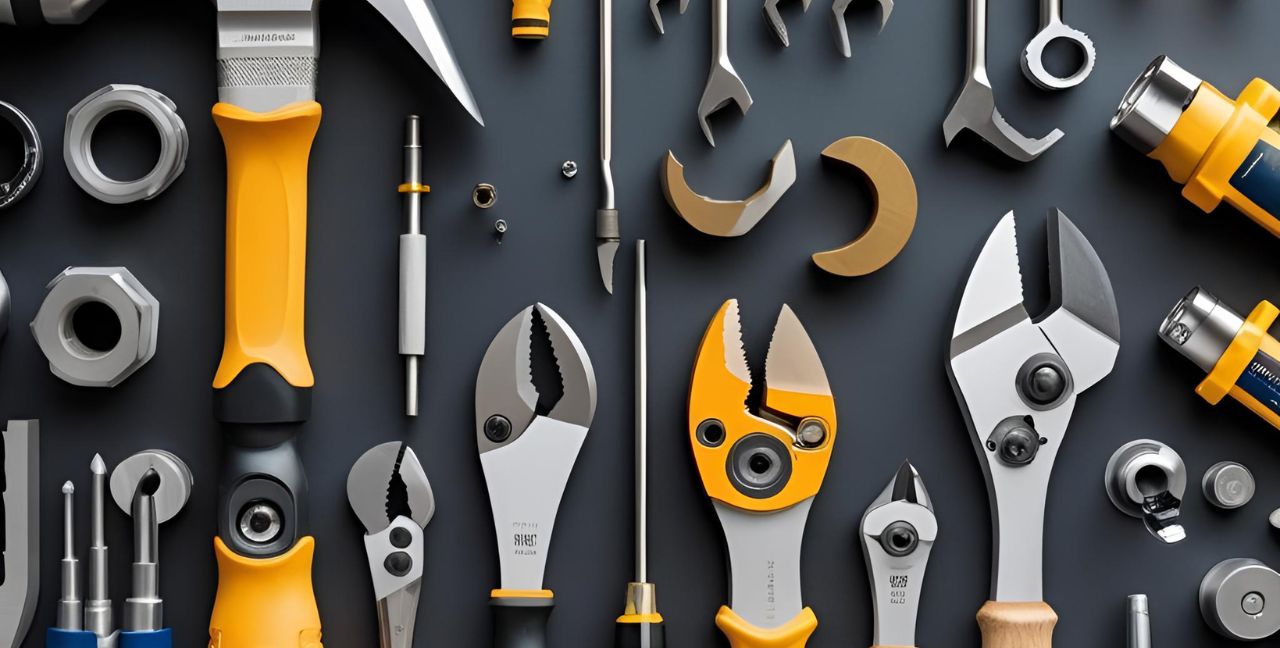
Getting Started with Power Tools
Power tools save a great deal of time and physical effort. They let you work faster and complete bigger projects. Your first choice will be between tools with a cord or without one. Both have their own benefits for different situations. Corded tools plug into a wall outlet for their power. They give you constant power that never runs out. They are usually less expensive than their battery-powered versions. The cord can sometimes get in the way of your work. Cordless tools use rechargeable batteries for total freedom. You can take them anywhere without needing an outlet. Modern batteries are very strong and last a long time. They do cost more and need to be recharged between uses.
The Cordless Drill
Your first power tool should be a cordless drill. It is used for drilling holes and driving screws very fast. Look for a model with an adjustable clutch setting. This important feature stops you from driving screws too deeply.
The Circular Saw
A circular saw is the best tool for making long, straight cuts in wood. It uses a round, toothed blade that spins at a high speed. You can adjust the blade to change the depth of the cut. Always use this powerful tool with great care and respect.
The Jigsaw
A jigsaw is the tool you need for cutting curves. It uses a small blade that moves up and down quickly. You can use it to cut complex shapes and patterns. Different blades are available for cutting wood, metal, and plastic.
The Orbital Sander
Sanding by hand is slow and tiring work. An orbital sander creates a smooth finish very quickly. It moves sandpaper in tiny circles to avoid leaving marks. It is perfect for preparing wood for paint or stain.
Advanced Diagnostic and Tech Tools
Some tools use technology to help you solve difficult problems. They can diagnose issues in your car or home without any guesswork. These tools can save you a lot of time and money on repairs. They are very useful for certain types of work.
Tools for Your Home
A stud finder is a small device that locates wall supports. This lets you securely hang heavy items like a television. A laser level projects a perfect red or green line on the wall. It helps you hang pictures or install shelves perfectly straight.
You can also find tools to check your home’s energy use. A thermal leak detector can find cold drafts around windows and doors. An electricity usage monitor shows you which appliances use the most power. These gadgets help you lower your utility bills.
Tools for Your Car
The “Check Engine” light in a car can be a mystery. An OBD-II scanner plugs into your car and reads the error code. It tells you exactly what the problem is, such as a bad sensor. This tool takes the guesswork out of auto repair. A digital multimeter is another helpful device for cars. It can test your car’s battery, fuses, and wiring. A digital tire pressure gauge gives you a fast and accurate reading. Proper tire pressure makes your car safer and more fuel-efficient.
Safety Gear is Non-Negotiable
Working with tools can be dangerous without proper protection. Your personal safety should always be your top priority. Personal Protective Equipment, or PPE, is not an optional extra. You must use the right safety gear for every single job.
Read more: A Beginner’s Guide to Power Tool Accessories
Eye Protection
You must always protect your eyes from flying debris. Safety glasses are the minimum protection you should wear. Goggles provide a seal around your eyes for better safety. Make sure your eyewear is rated for high impact.
Hand Protection
Your hands do the work, so you need to keep them safe. Leather gloves are good for heavy jobs and prevent splinters. Cut-resistant gloves are a smart choice when using sharp blades. Nitrile gloves protect your skin from grease, paint, and chemicals.
Hearing Protection
Many power tools create very loud noises during operation. This noise can permanently damage your hearing over time. Simple foam earplugs are cheap and work very well. Earmuffs provide even more protection and are easy to wear.
Breathing Protection
Sawdust and chemical fumes are very harmful to your lungs. A simple dust mask can filter out large particles. A respirator with cartridges offers much better protection. Wear it when sanding, painting, or working with strong chemicals.
How to Choose the Right Tools
Walking down a tool aisle presents you with many choices. You have to decide between different brands and prices. Knowing what to look for will help you build a reliable kit. Good choices now will serve you well for years.
Quality and Price
Cheaper tools can be tempting but they often break easily. Investing in good quality tools is a much smarter move. They perform better, last for many years, and get the job done right. Better tools are also much safer for you to use.
Tool Brands
Many brands sell cordless tools that share the same batteries. Sticking with one brand’s battery system saves you money. Ryobi and Craftsman are great for homeowners on a budget. DeWalt, Milwaukee, and Makita are popular brands with professionals.
Building Your Kit
You do not need to buy every tool at once. Start with a solid set of hand tools and a good drill. Buy new tools only when you have a specific project for them. Over time, you will build a great collection that fits your needs.
Read more: How to File an Asurion Verizon Claim Step by Step
Your Toolkit Checklist
Building Your Workshop
Starting your own tool collection is a very rewarding process. Begin with the basics and take the time to learn how to use them. You can add new and more specialized tools as you start new projects. Soon you will have a capable workshop ready for any task.
Frequently Asked Questions
Q1: What is the first power tool I should get? A cordless drill is the best first choice. It is useful for so many different tasks around the house. You will use it for everything from hanging pictures to building furniture. It is a true workhorse for any toolkit.
Q2: Should I buy a tool kit or separate tools? A large hand tool kit is a good value for a beginner. It gives you many of the basics all at once. For power tools, starter kits with a drill are also a good deal. After that, buy individual tools as you need them.
Q3: Is a corded or cordless tool better? This depends on the tool and how you will use it. Cordless is best for tools you move around with, like a drill. Corded is often better for stationary tools that need a lot of power, like a miter saw.
Q4: How do I take care of my tools? Keep your tools clean and dry to prevent rust. Wipe them down after you are finished using them. Store them in a toolbox or on a pegboard. Dull blades should be sharpened or replaced for safety