
Top 10x Rewards Credit Cards You Can Apply for Today. Getting the most from your money is important. Many people use credit cards for everyday purchases. Using the right card can give you valuable rewards. Some cards offer high rewards, like five or even ten points for every dollar you spend. This guide will help you understand and find the Top 10x Rewards Credit Cards You Can Apply for Today.
This article breaks down how these cards work. We will look at what makes a rewards card good for you. You will learn the steps to find a card that fits your spending habits perfectly. This information will help you earn more from the shopping you already do.
Top 10x Rewards Credit Cards You Can Apply for Today: What to Know
The idea of a 10x rewards card is very appealing. It means earning ten points or ten percent cash back on certain purchases. You should know that 10x offers are not always available on every purchase. They are often special promotions or are limited to very specific spending categories. Finding a card that consistently offers 10x rewards is rare. The real goal is to find cards with high bonus rates in the areas where you spend the most money. This might be 5x points on travel, 4x points on dining, or 3x on groceries. The key is matching the card’s strengths to your personal budget.
Read more: Best Rewards Credit Cards of August 2025
Many of the best reward offers come from sign-up bonuses. A new card might offer a large lump sum of points after you spend a certain amount of money. These welcome offers are a fast way to accumulate a lot of value. They can often be worth hundreds of dollars in travel or cash back. The credit card market changes frequently. An offer that is available this month might be gone next month. It is a good practice to check for the latest offers directly from the card issuers. This guide will give you the tools and knowledge to spot a great deal when you see one.
Understanding How Credit Card Rewards Work
Credit card rewards seem simple, but there are details to understand. Most cards give you points, miles, or cash back for each dollar you spend. The amount you earn is called the “earn rate.” This system is what turns your regular spending into something more valuable. A card has a base earn rate, which is usually one point per dollar on most purchases. The exciting part is the bonus categories. These are specific types of spending where the card gives you more points. For example, a card might offer three points per dollar at restaurants.
Points and miles have a certain value. The simplest rewards system is cash back, where one point equals one cent. With travel cards, the value of a point can change. Transferring points to an airline or hotel partner can sometimes make them much more valuable. Think about what kind of reward you want most. Do you want simple cash back to lower your statement balance? Or are you saving up for a dream vacation using airline miles? Your answer will help you choose between a cash-back card and a travel points card.
Where to Find High Bonus Reward Categories
High reward rates are usually tied to specific spending categories. Banks create these bonuses to encourage you to use their card for certain things. Knowing these common categories helps you find a card that matches your lifestyle. You can get a lot more back if your card rewards your most frequent purchases.
Travel and Transit
Travel is a very popular bonus category. Many cards offer extra points on flights and hotel stays. Some cards give high rewards when you book directly with an airline or hotel. Others give a bonus when you book through the bank’s own travel website.
You can also find cards that reward other travel-related spending. This includes things like rental cars, cruises, and even parking fees. Commuters can benefit as well. Some cards give extra cash back or points for money spent on subways, buses, ride-sharing services, and gas.
Dining and Restaurants
Almost everyone spends money on food. Credit card companies know this and offer great rewards for dining. This category often includes more than just sit-down restaurants. It can cover cafes, bars, and fast-food places. Some cards also include food delivery services in their dining category. If you often order food through apps, a card with a dining bonus is very useful. This is an easy way for many people to earn a lot of rewards. You earn more on something you were going to buy anyway.
Groceries and Supermarkets
Groceries are a major expense for most households. A credit card that gives bonus rewards at supermarkets can provide a lot of value. These cards can help you earn back a percentage of what you spend on food each month. This is a very practical way to make your budget go further. Be sure to read the details for this category. Some cards might not count big-box stores like Target or Walmart as grocery stores. The bonus might only apply to traditional supermarkets. Knowing which stores qualify helps you use the card correctly.
Rotating Bonus Categories
Some cards have bonus categories that change every few months. For instance, for three months, the bonus might be at gas stations. The next three months, it might be on streaming services or purchased at a specific online retailer. These cards can be very rewarding if you pay attention.
You usually have to “activate” the new category each quarter. This is a simple process done online. Using a card with rotating categories requires a little more management. The high reward rates, often 5%, make it worth the effort for many people.
What to Check Before Choosing a Card
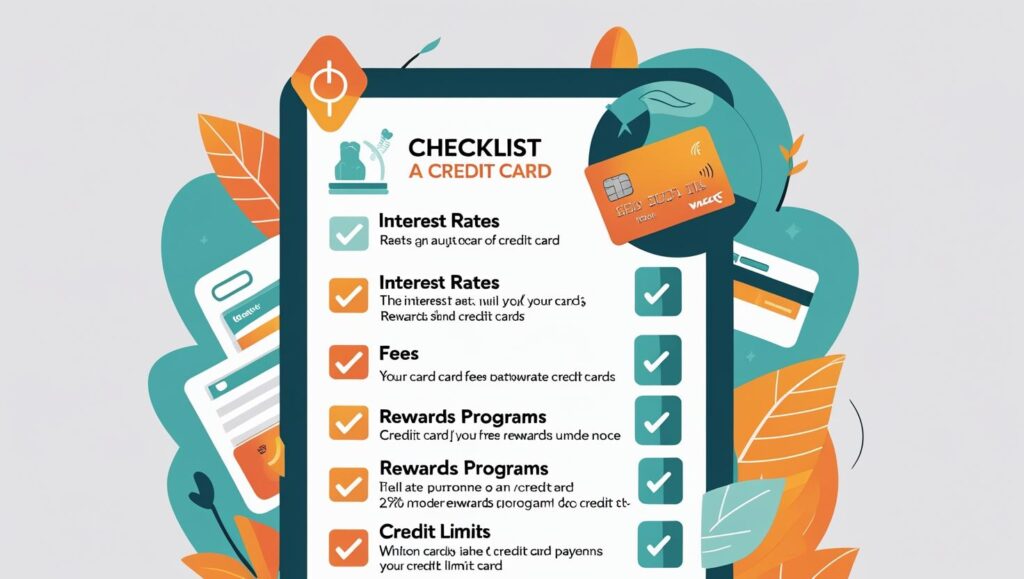
The big reward number is not the only thing that matters. Several other factors determine if a credit card is a good fit for you. Looking at the complete picture prevents you from picking a card that costs more than it gives back. A careful review of all the terms is a necessary step.
Annual Fees
Many top rewards cards charge an annual fee. This fee can range from under a hundred dollars to several hundred dollars per year. You need to decide if the rewards and benefits you get from the card are worth more than the fee. Calculate how much you expect to earn in rewards over a year. Some cards offer statement credits that help offset the annual fee. A travel card might give you a yearly credit for hotel stays or airline fees. These credits can make a high-fee card much more affordable. If you use the credits, the card can easily pay for itself.
Welcome Offers
The welcome offer is a big bonus for new cardholders. You typically have to spend a certain amount of money in the first few months to get it. For example, a card might offer 60,000 points if you spend $4,000 in your first three months. These offers can be very valuable.
Make sure the spending requirement is realistic for your budget. You should not overspend just to get a sign-up bonus. The goal is to earn rewards on your normal spending, not to go into debt. A good welcome offer is a great start, but the card’s long-term value is just as important.
Interest Rates (APR)
Rewards credit cards often have high interest rates, also known as the Annual Percentage Rate (APR). If you carry a balance from one month to the next, the interest you pay can quickly wipe out the value of your rewards. This is a critical point to understand.
Read more: Best Wells Fargo Cash Back Credit Cards in 2025
The best way to use a rewards card is to pay your balance in full every month. If you do this, you will never pay any interest. If you think you might need to carry a balance, a rewards card might not be the right choice. A low-interest card would be a better financial tool in that situation.
Smart Ways to Increase Your Rewards
Once you have a good rewards card, there are ways to earn even more. Using your card strategically can significantly increase the points or cash back you accumulate. These methods require a little bit of planning but can lead to big payoffs. They help you get the absolute most from your card.
Using More Than One Card
Using a single credit card for everything is simple. But using two or three cards can be much more rewarding. This strategy involves using a different card for different types of purchases. You match each purchase to the card that offers the highest bonus for that category.
For example, you could use one card that gives 4x points at restaurants. You might use a second card that gives 5% cash back on groceries. For all other purchases, you could use a third card that gives a flat 2% back on everything. This approach ensures you are always getting a high reward rate.
Using Bank Transfer Partners
If you have a travel rewards card, its points can often be transferred. You can move points from your credit card account to a hotel or airline loyalty program. This is often the way to get the most value from your points. It is a favorite method of serious travel enthusiasts.
Imagine a flight costs $500, or 50,000 points if you book through your card’s portal. That gives your points a value of one cent each. But you might be able to transfer just 25,000 points to an airline partner to book that same flight. Now, your points are suddenly worth two cents each, doubling their value.
Shopping Through Online Portals
Many card issuers have online shopping portals. When you are going to make a purchase online, you first log in to your bank’s portal. You then click a link to the retailer’s website from the portal. This simple extra step can earn you bonus points on your purchase.
The amount of extra rewards varies by store and can change daily. You might see offers for two, five, or even ten extra points per dollar. It is like getting a bonus on top of your card’s regular earn rate. This is a very easy way to boost your earnings on online shopping.
Important Steps to Take Before You Apply
Applying for a new credit card is a financial decision. Preparing beforehand helps you get approved and choose the right product. Taking these steps will make the process smoother. It also increases your chances of picking a card you will be happy with for years to come.
Know Your Credit Score
Your credit score is a major factor in whether you get approved for a premium rewards card. Most of these cards require good or excellent credit. This usually means a score of 700 or higher. You can check your credit score for free from several sources online.
If your score is not high enough, it is better to wait and work on improving it. Applying for cards and getting denied can temporarily lower your score. Build a history of on-time payments and low credit card balances. A better score will open up access to the best card offers available.
Review Your Spending Habits
The best rewards card for you is one that rewards how you already spend money. Look at your bank and credit card statements from the last six months. Figure out how much you spend in major categories like groceries, dining, gas, and travel. This data is your guide.
If you see that you spend a lot on dining out, a card with a strong dining bonus is a great choice. If you spend very little on travel, a premium travel card with a high annual fee is probably not for you. Let your own spending habits lead you to the right card.
Read the Rules and Fine Print
Credit card companies have rules about who can get their cards and their bonuses. For example, some banks will not approve you for a new card if you have opened too many other cards recently. This is often called the “5/24 rule,” meaning five new cards in the past 24 months. Read the terms and conditions for the welcome offer carefully. You might not be eligible for a bonus if you have had that specific card before. Knowing these rules can save you from a wasted application. It ensures you will receive the bonus you are expecting.
Conclusion
Finding a credit card that offers big rewards takes some research. While a true 10x reward is often a temporary promotion, you can find cards that give great value in specific areas. The most important step is to understand your own spending. This knowledge allows you to pick a card that gives you the most back.
Look beyond the headline reward rate. Consider the annual fee, the welcome offer, and the interest rate. Smart strategies, like using multiple cards and transfer partners, can help you earn even more. By being a well-informed applicant, you can turn your daily spending into significant rewards. Always remember to use your credit cards responsibly. Pay your bill in full and on time every month. Doing so avoids interest charges and keeps your credit score healthy. This makes your rewards pure profit and a smart addition to your financial life.
Frequently Asked Questions (FAQ)
Q: What credit score do I need for a good rewards card? A: Most of the top rewards credit cards require a good to excellent credit score. This is typically a score of 700 or higher. Some cards may require a score of 740 or more for the best chance of approval.
Q: Are credit cards with annual fees a bad idea? A: Not at all. A card with an annual fee can be a great deal if its benefits and rewards are worth more than the fee. Calculate your expected rewards for a year and add the value of any perks. If this total is higher than the annual fee, the card is likely worth it for you.
Q: What is the main difference between points and cash back? A: Cash back is simple. The rewards you earn are worth a fixed amount, usually one cent per point, and can be redeemed for a statement credit or bank deposit. Points, especially from travel cards, can have a more flexible value. They can be worth more when transferred to airline and hotel partners for premium bookings.
Q: How often do credit card offers and rewards change? A: Credit card offers change very frequently. Welcome bonuses can increase or decrease multiple times per year. Bonus categories on some cards can also be updated. It’s always best to check the offer directly on the bank’s website before you apply.
Q: Does carrying a balance on my card affect my rewards? A: Yes, it has a huge negative effect. The interest you pay on a carried balance is almost always much higher than the value of the rewards you earn. To truly benefit from a rewards card, you must pay your statement balance in full each month.